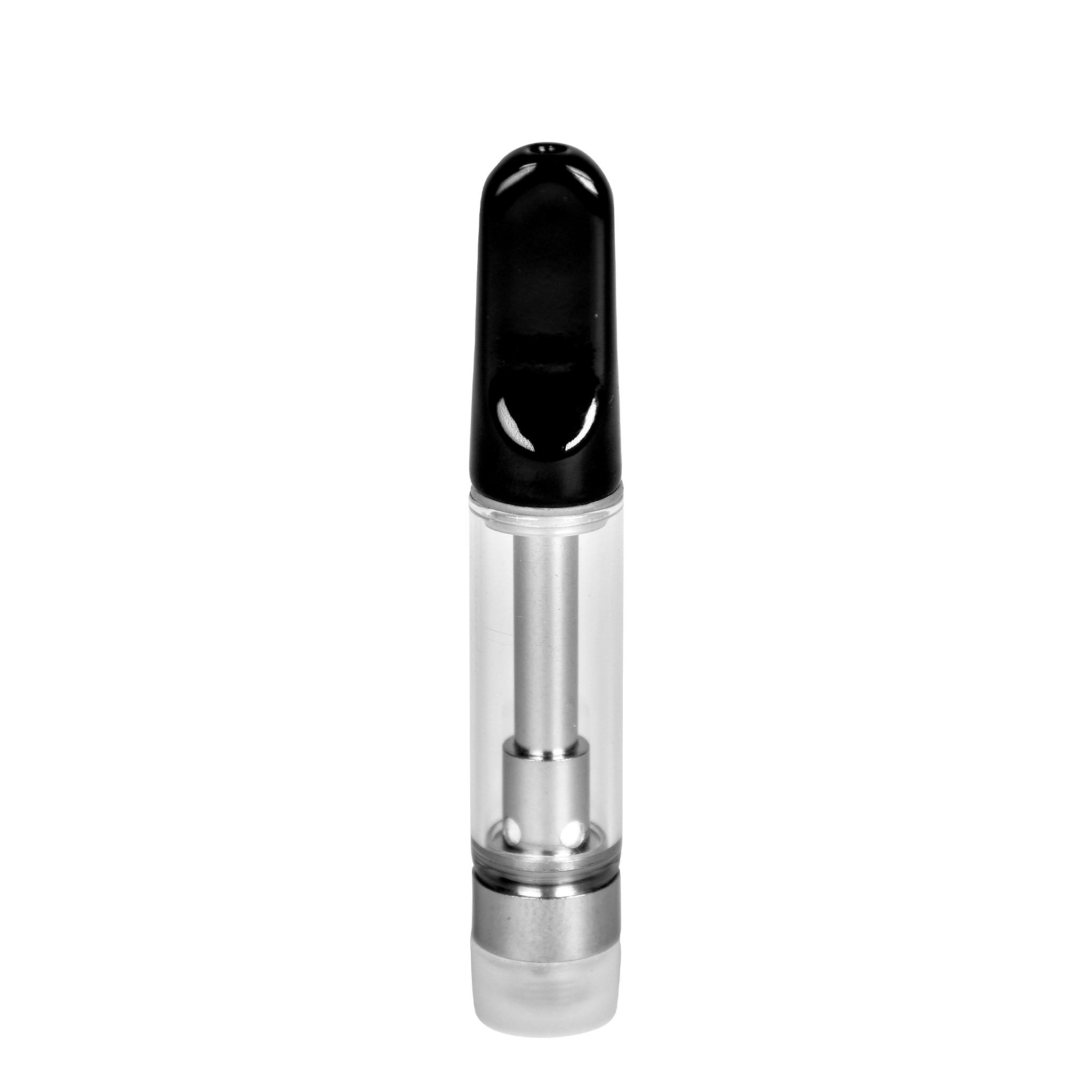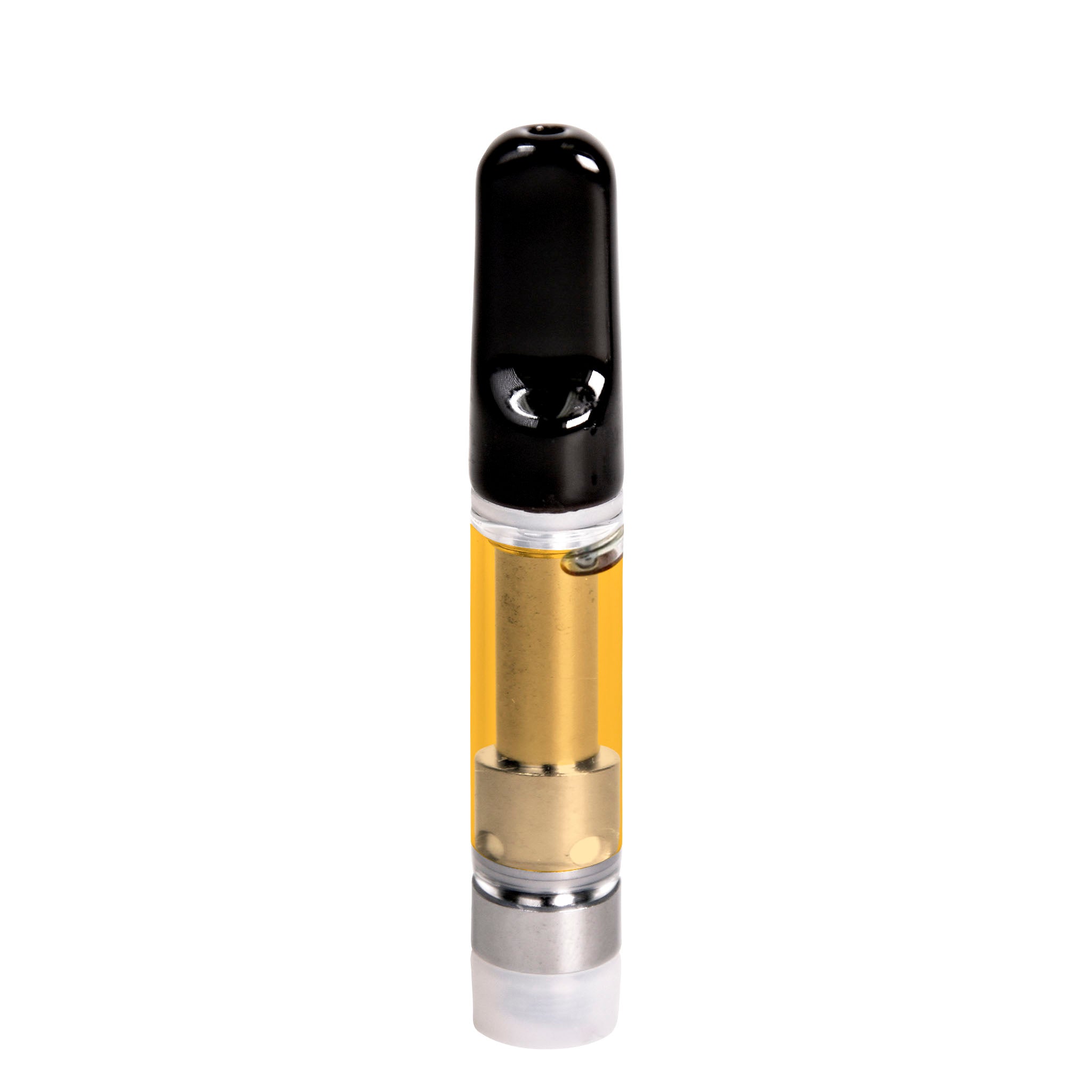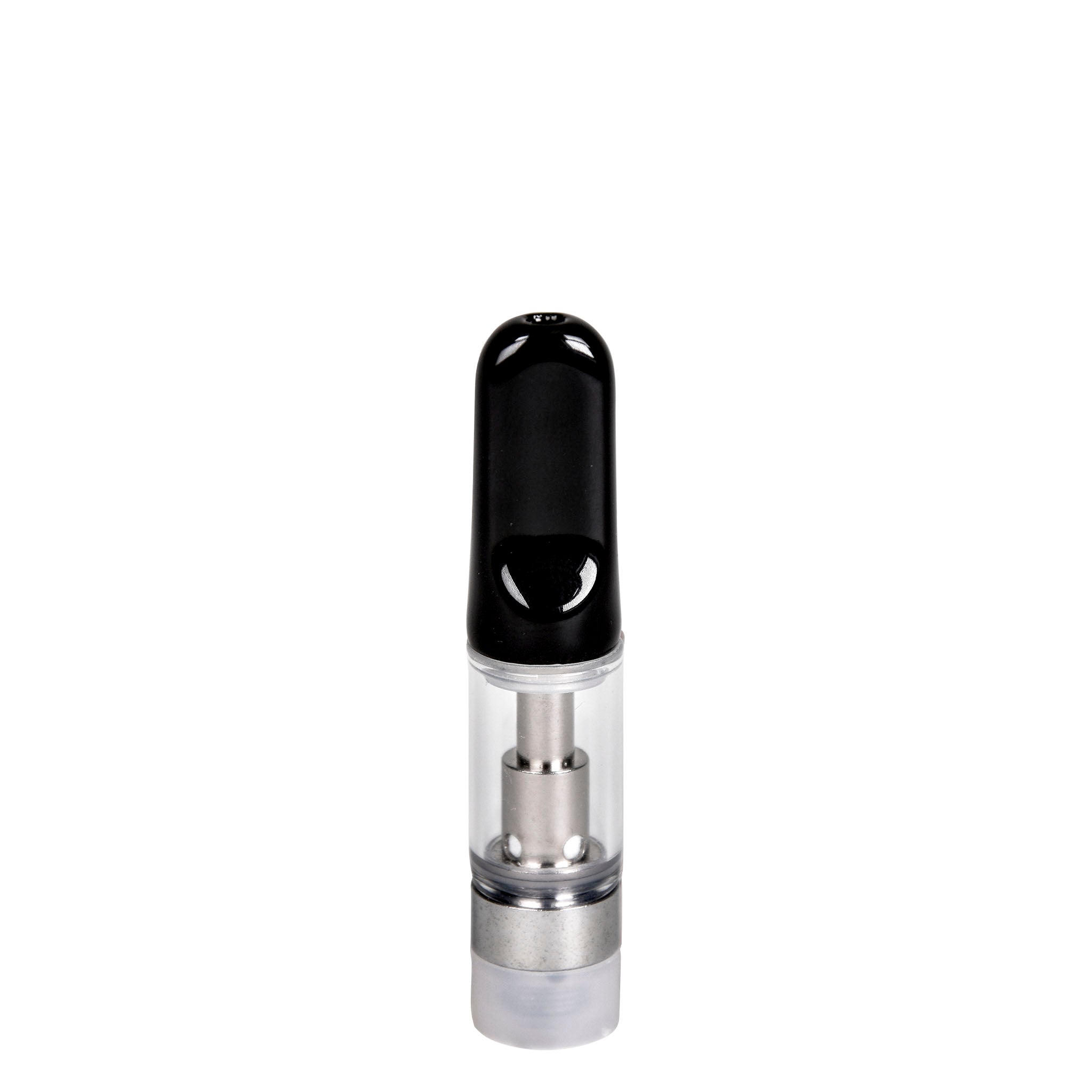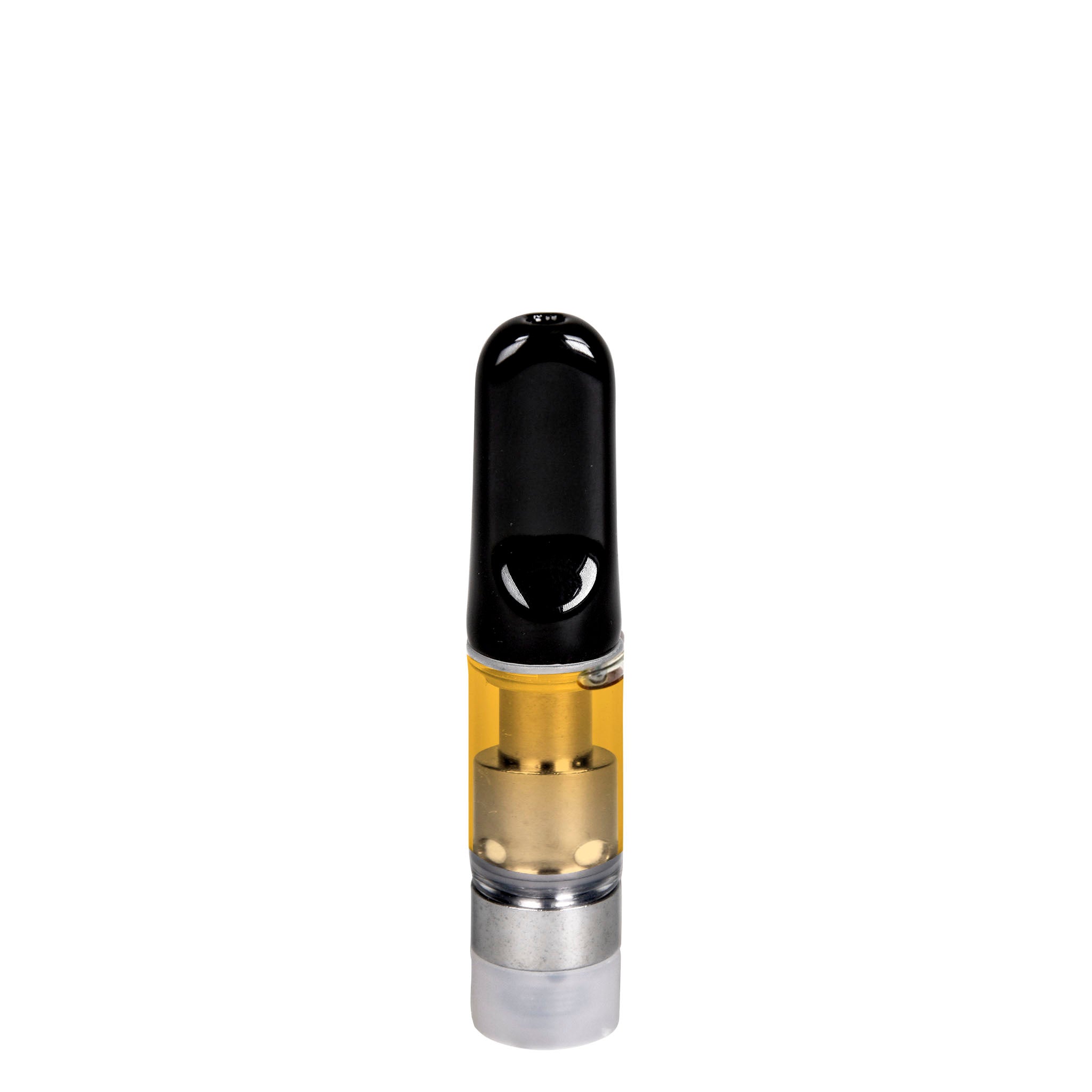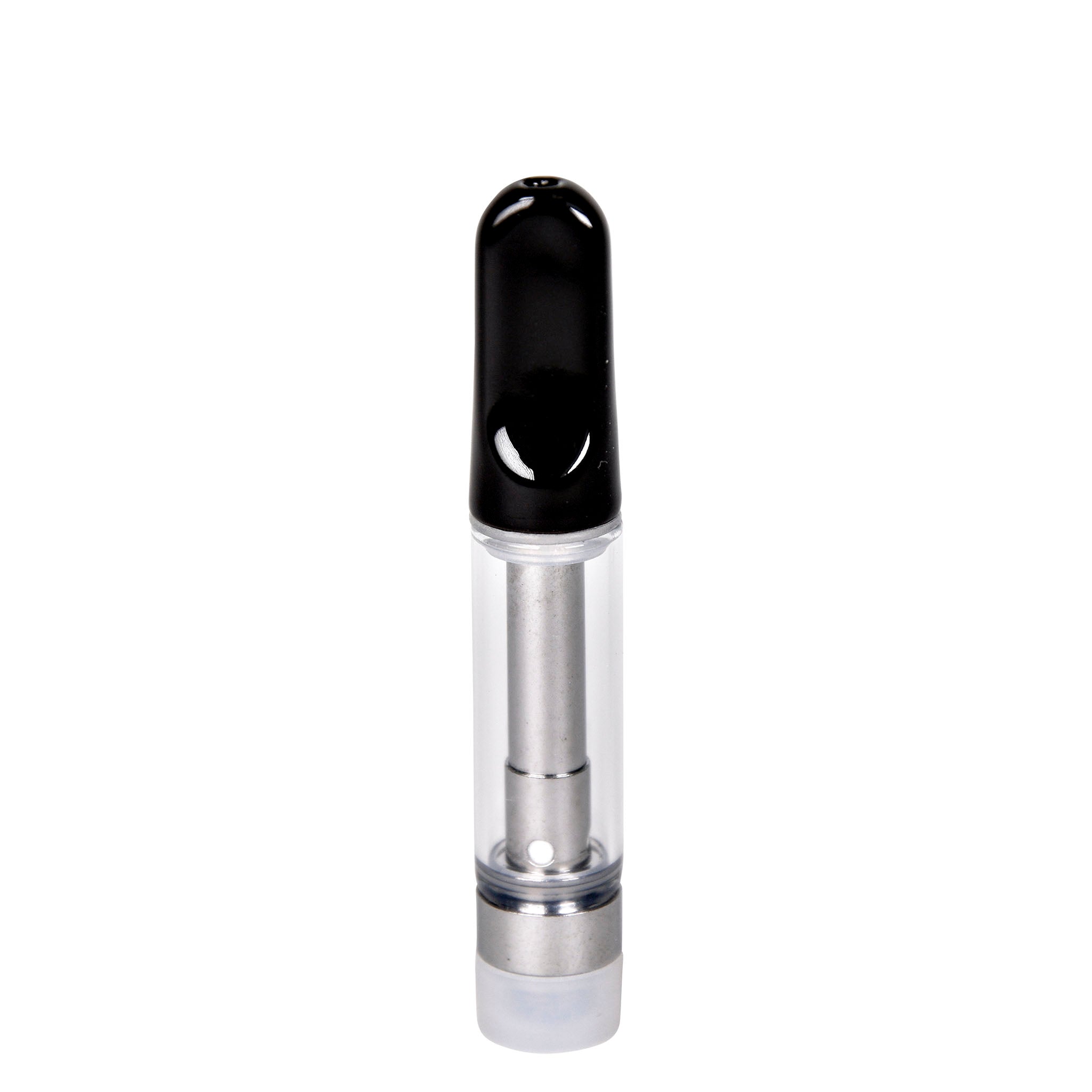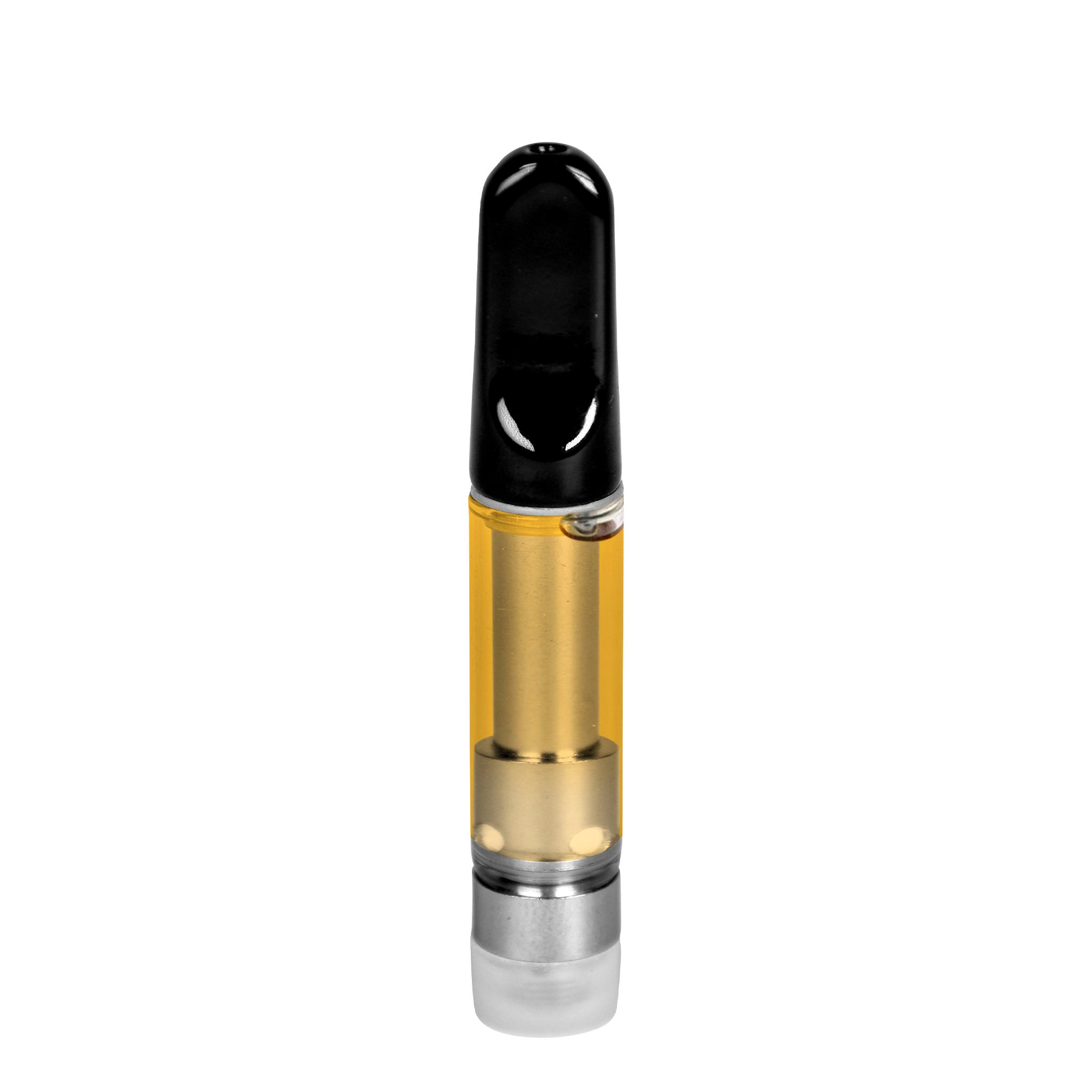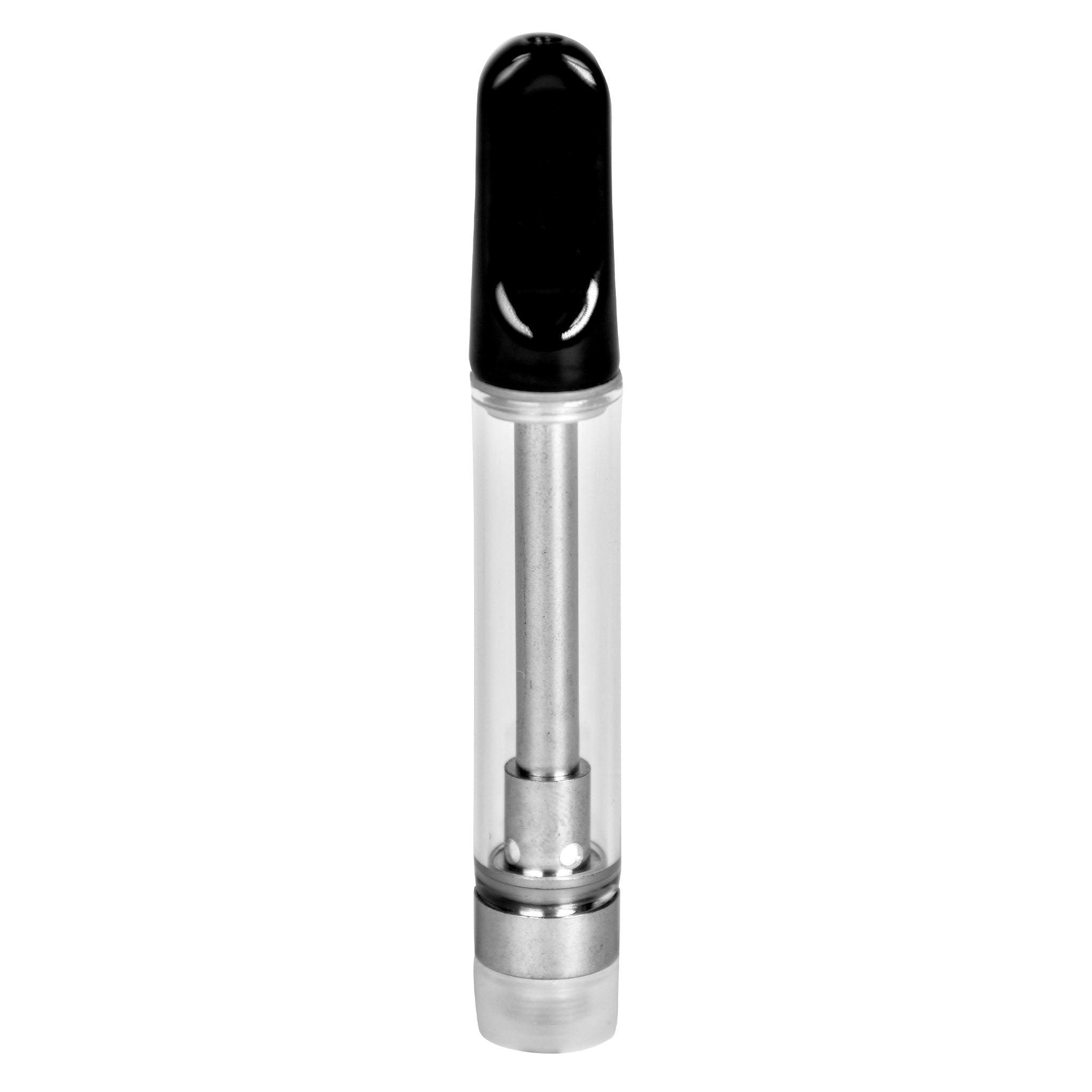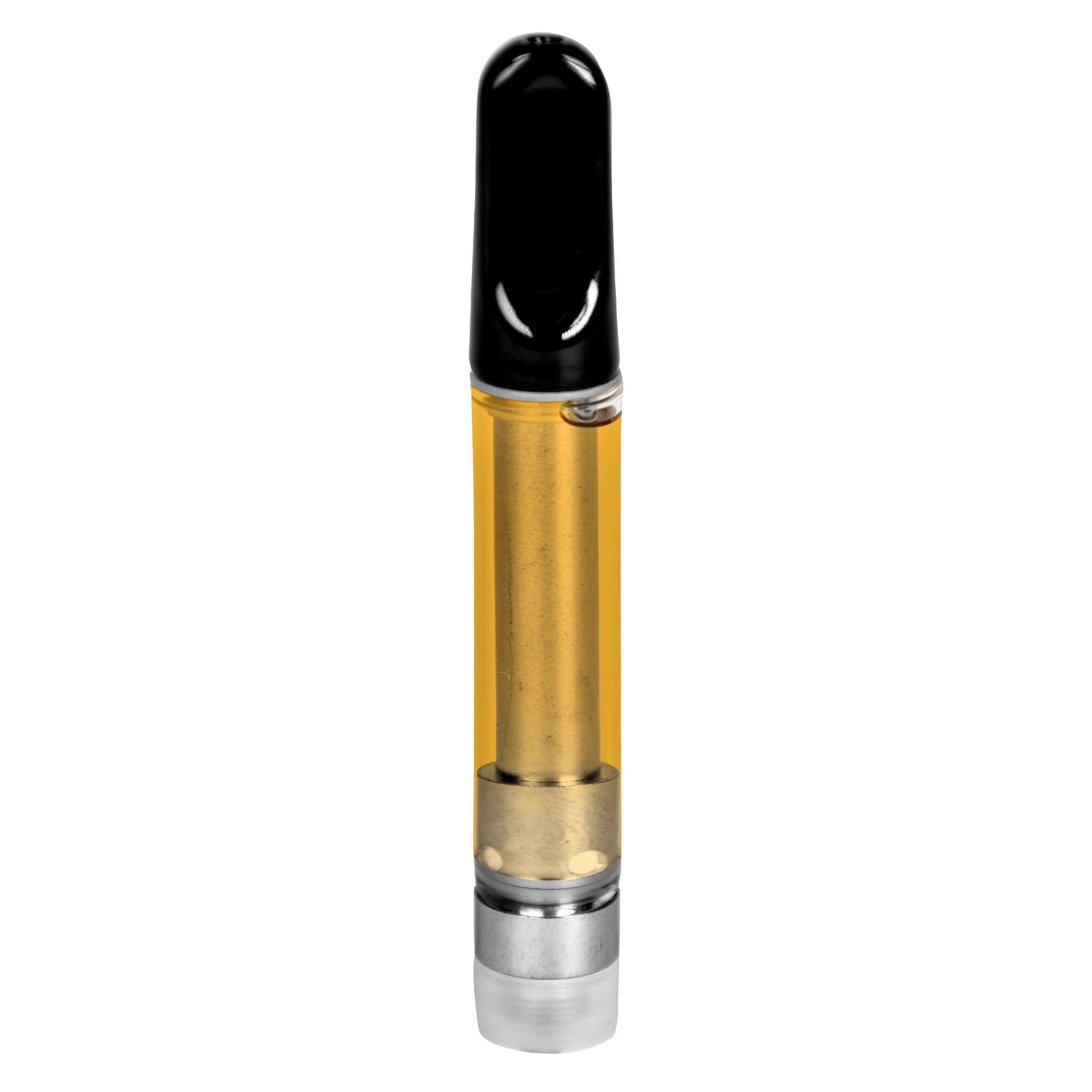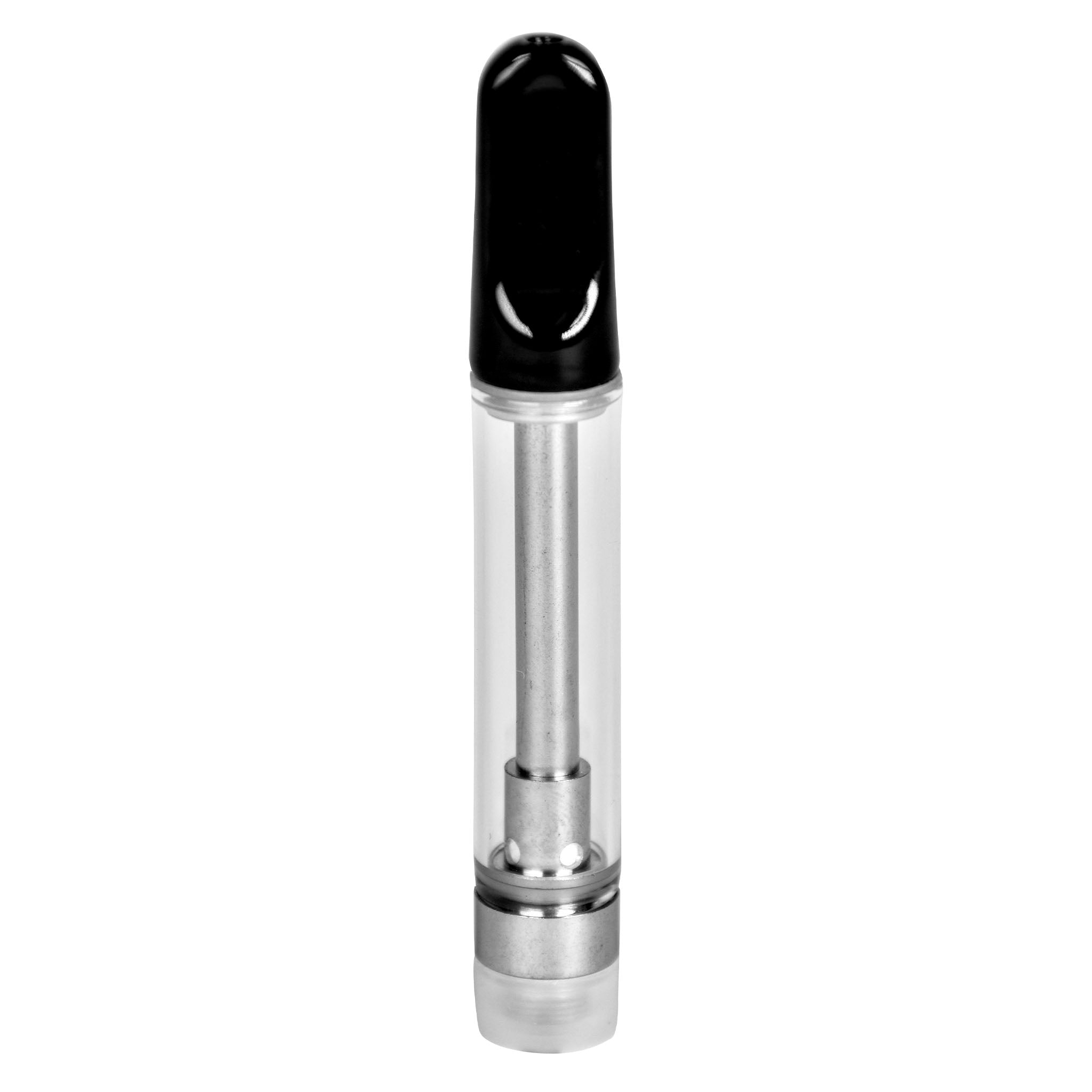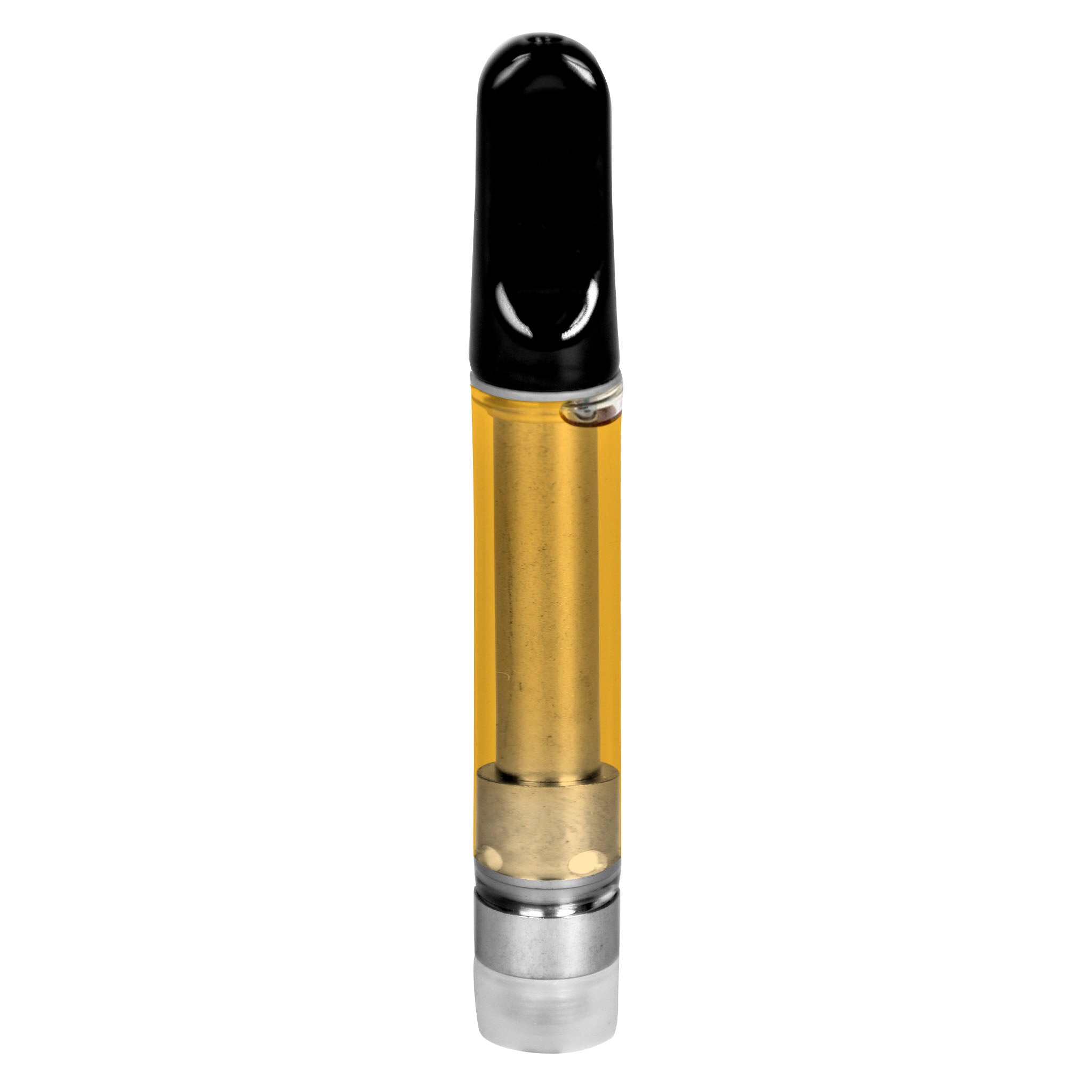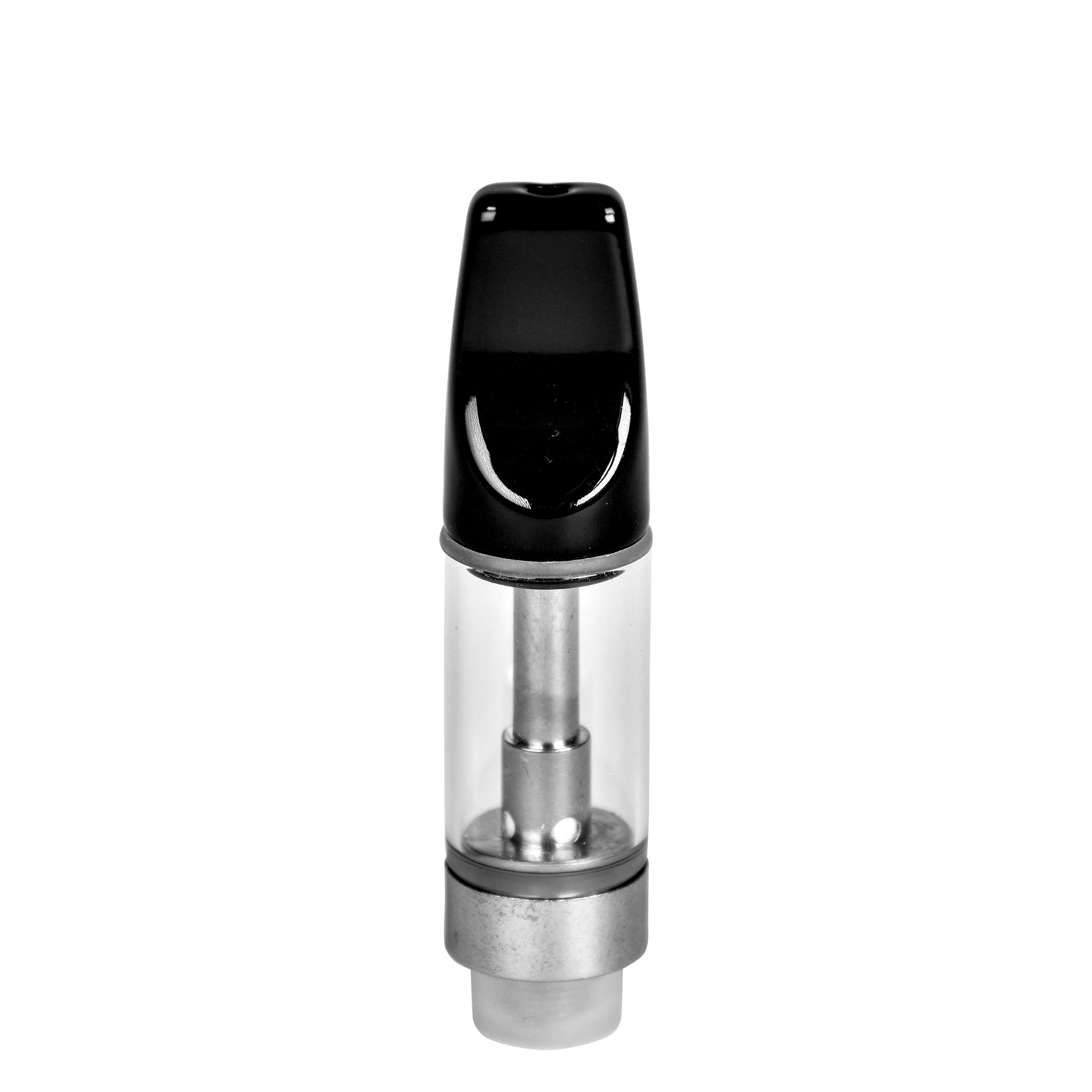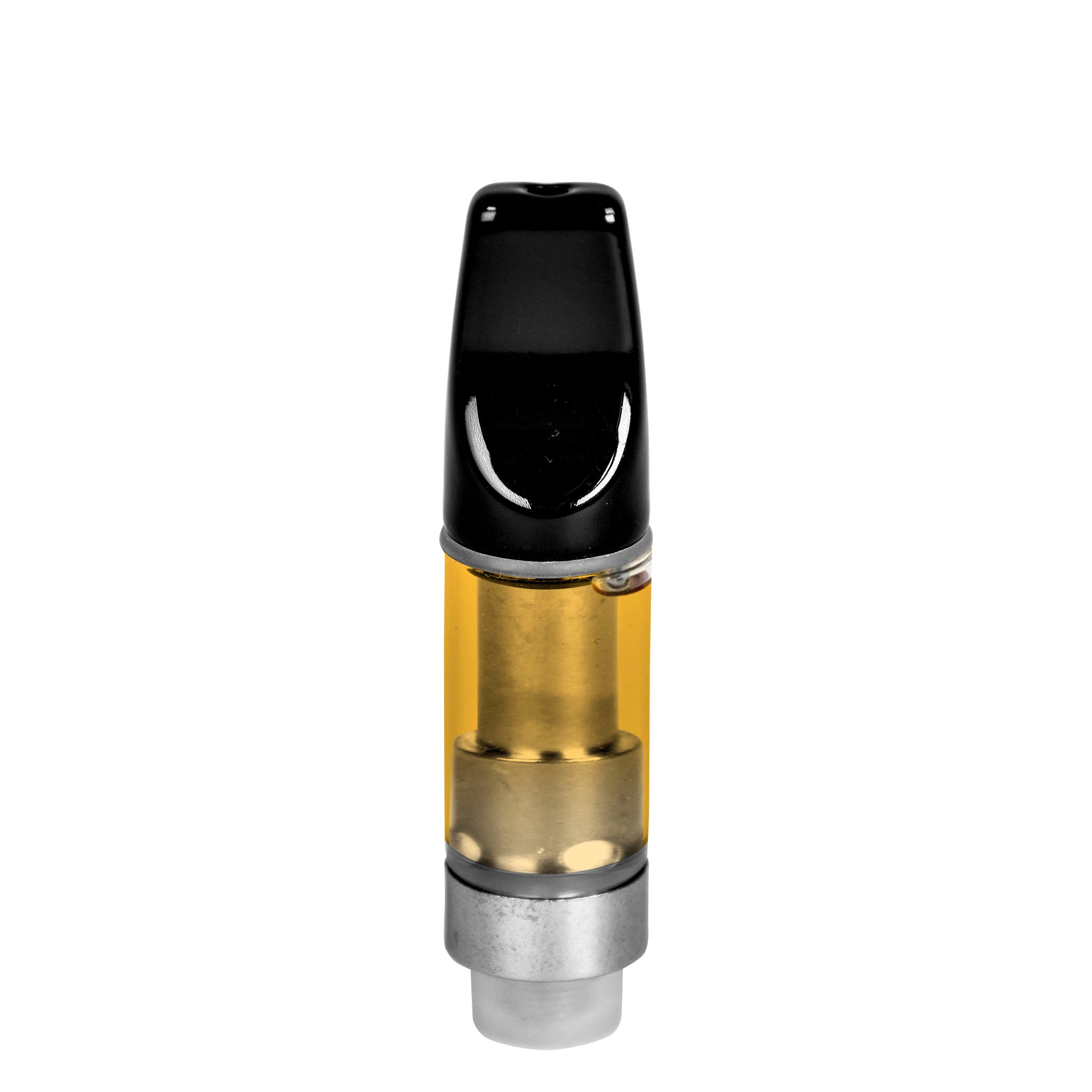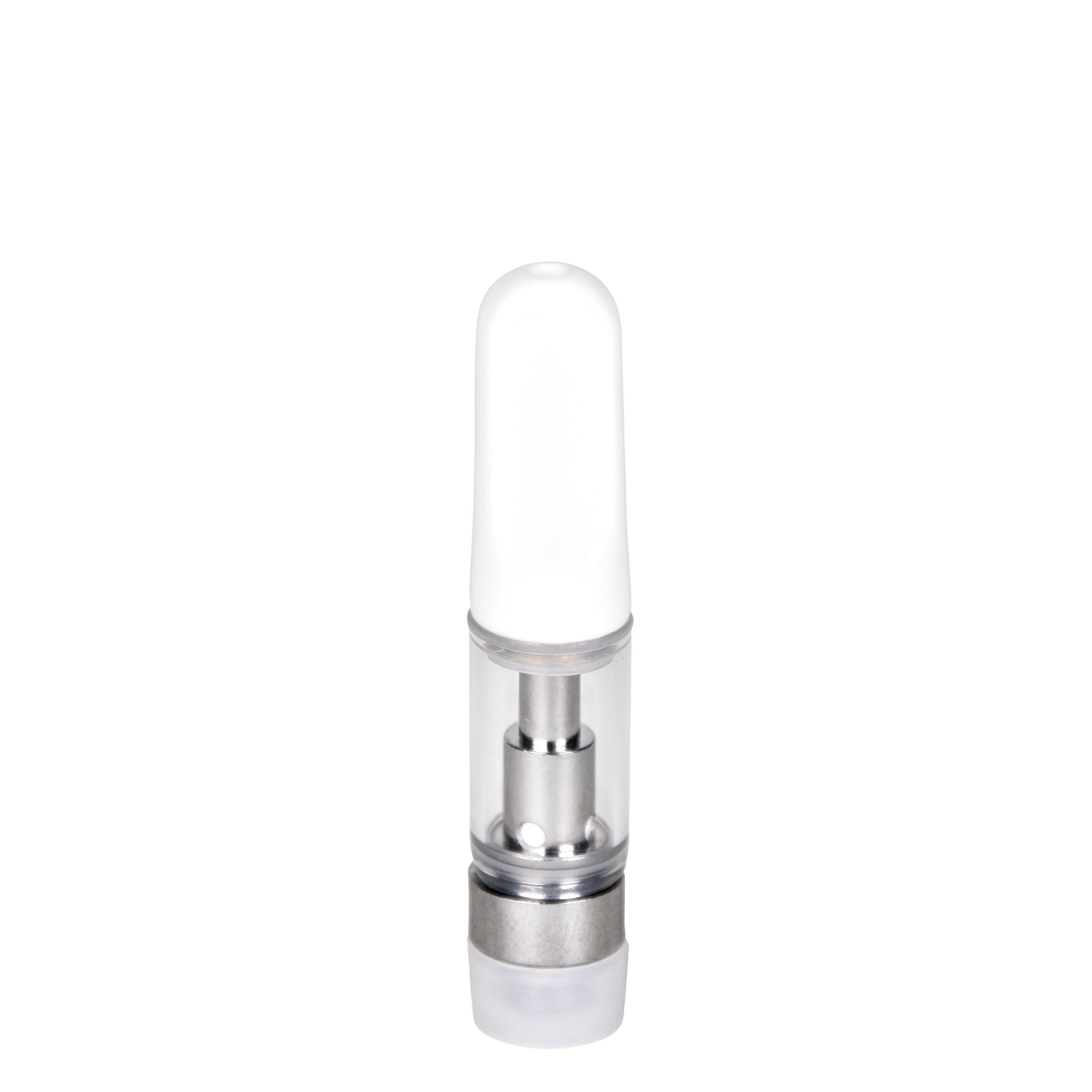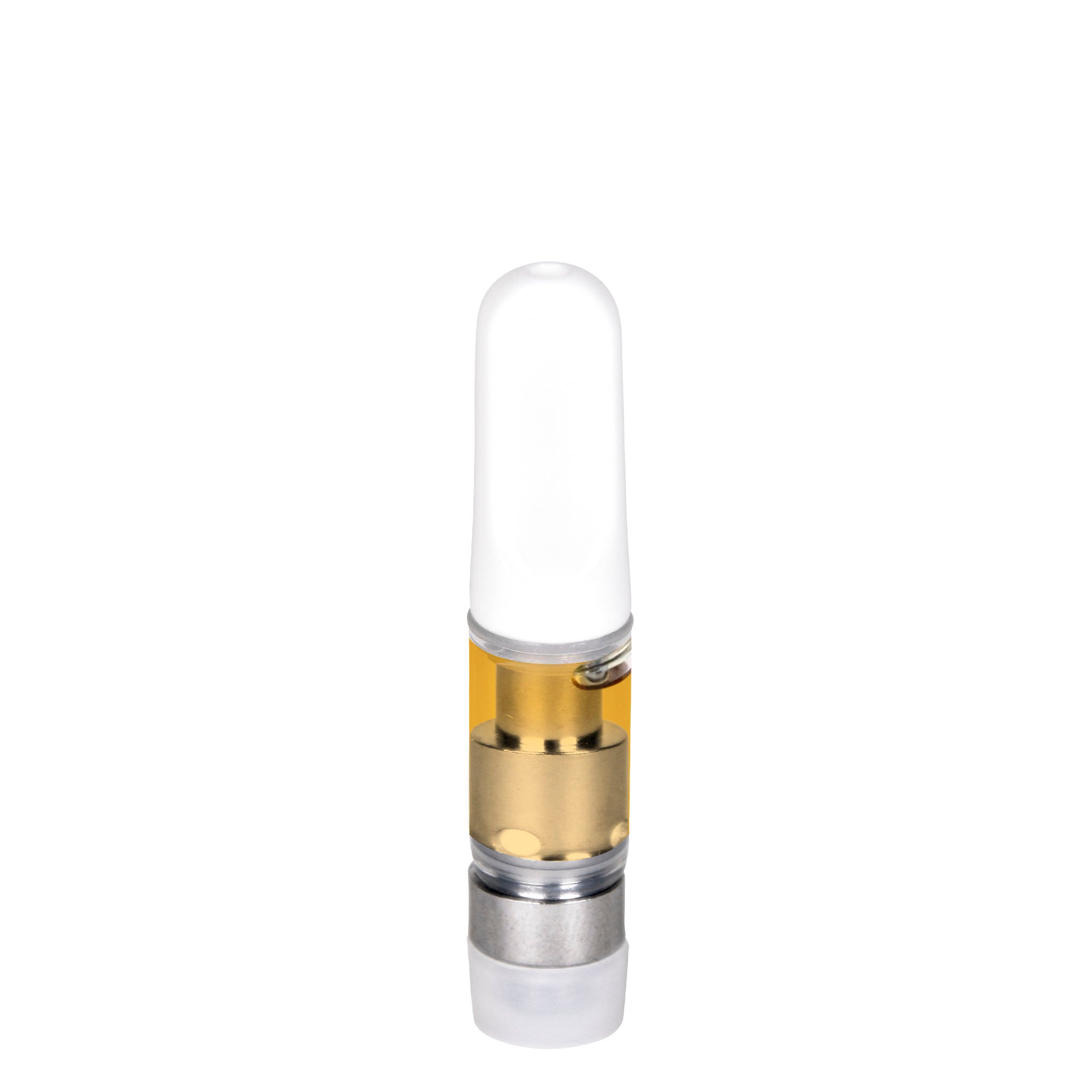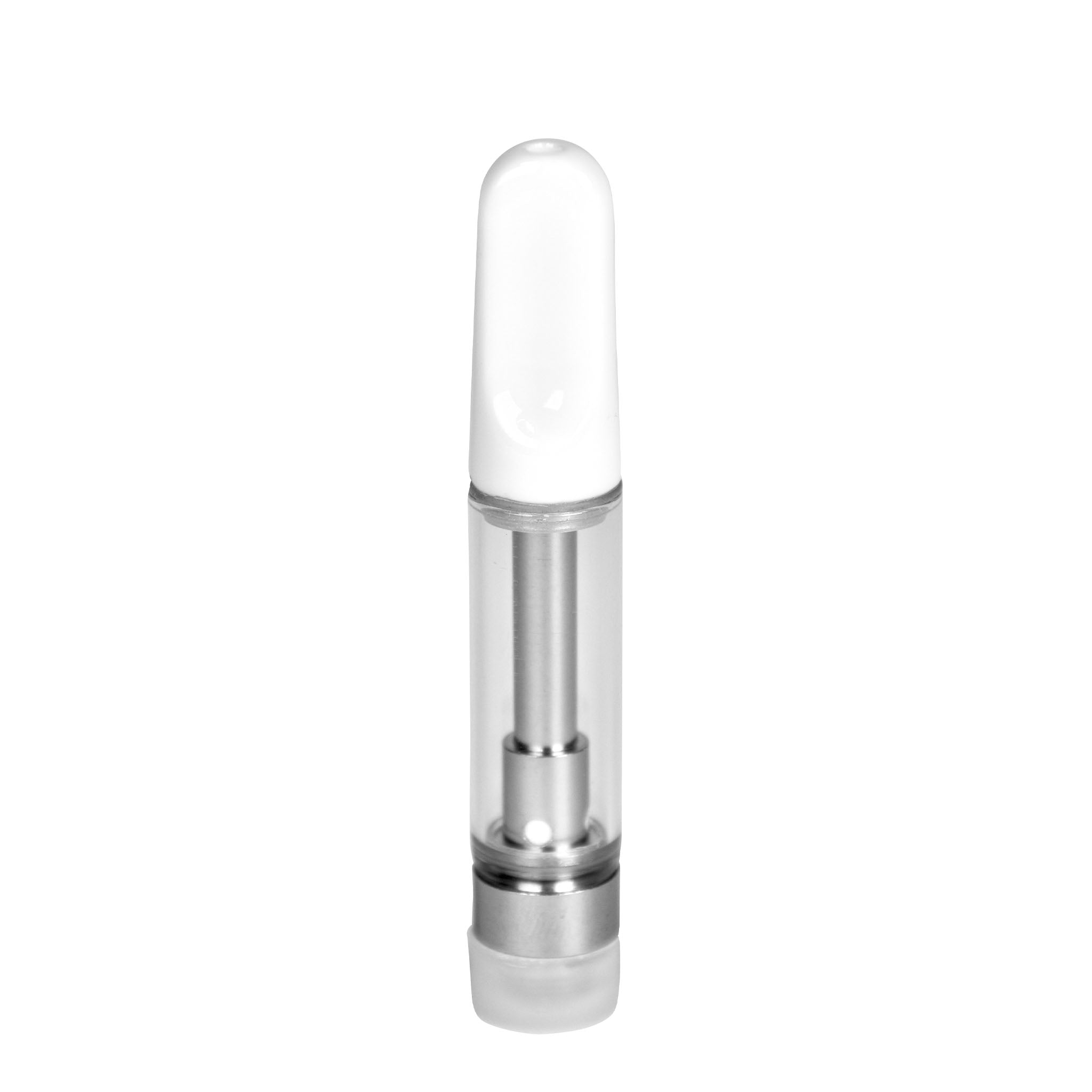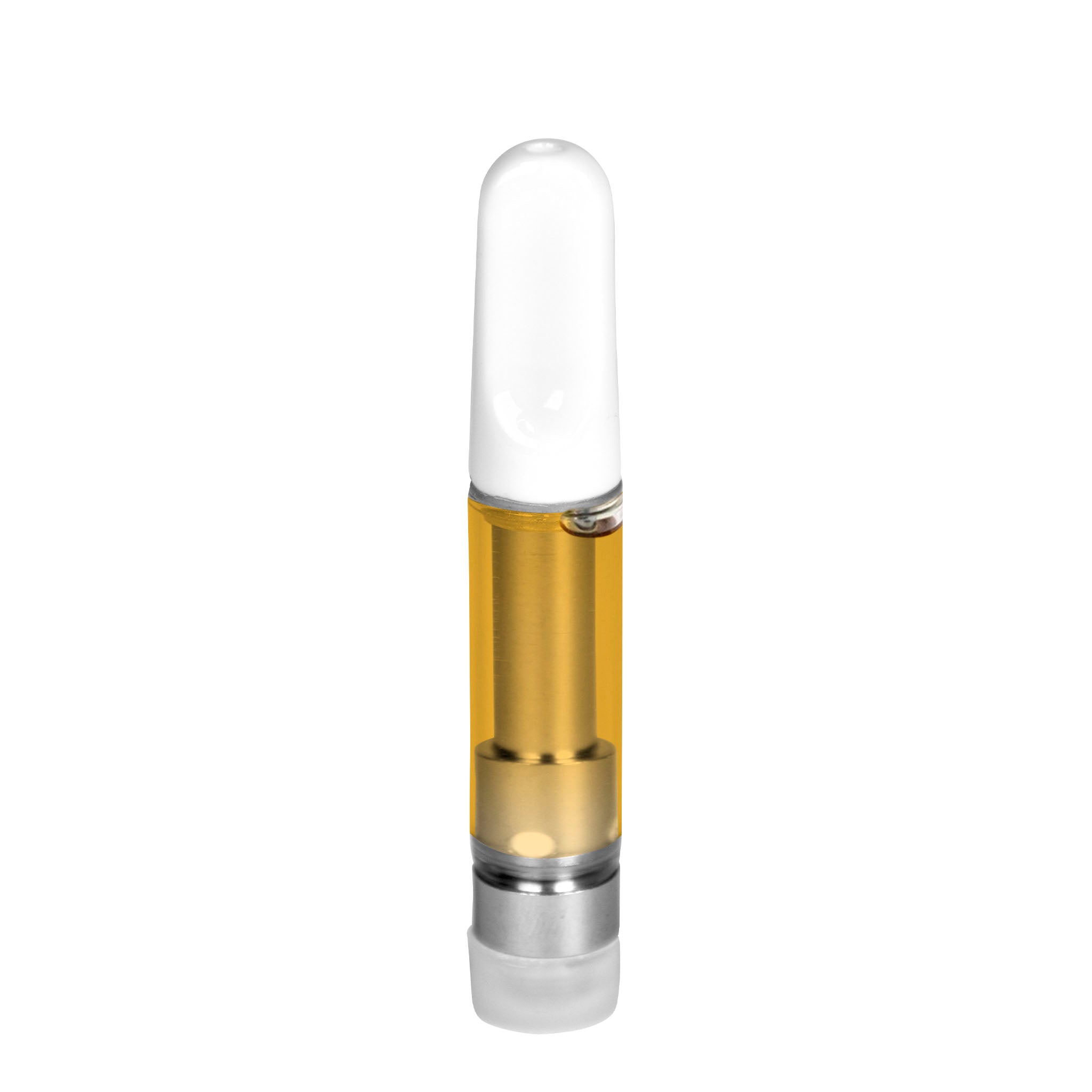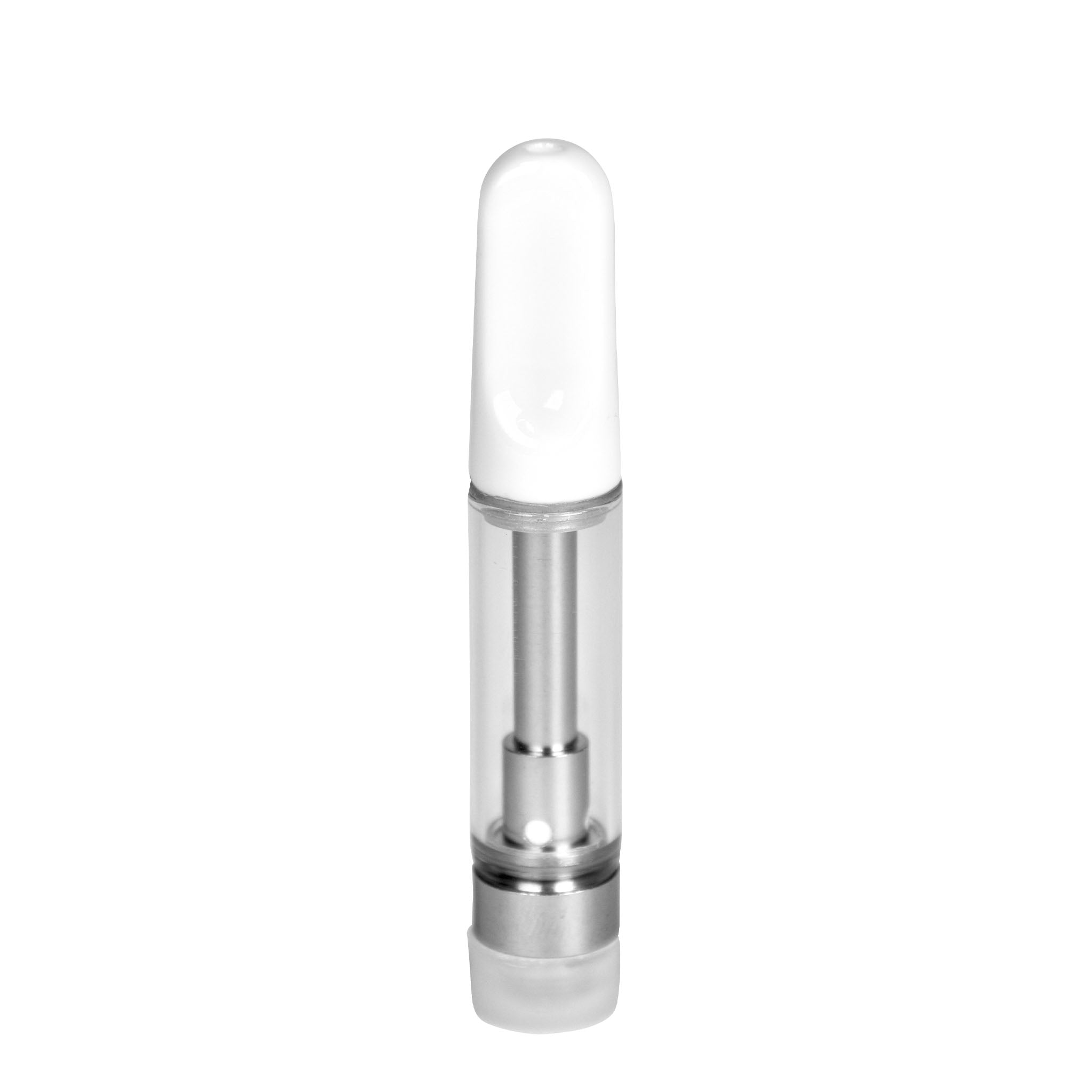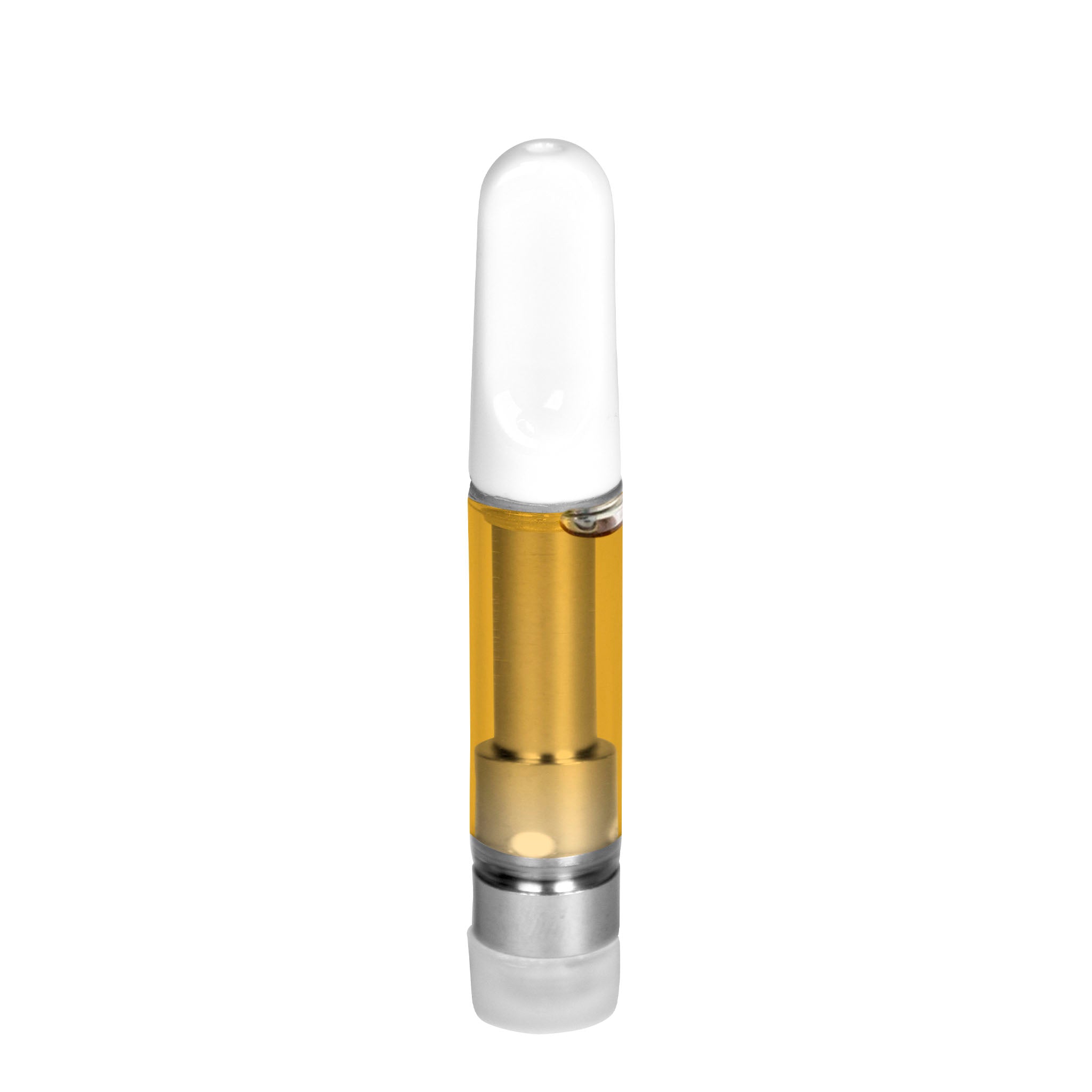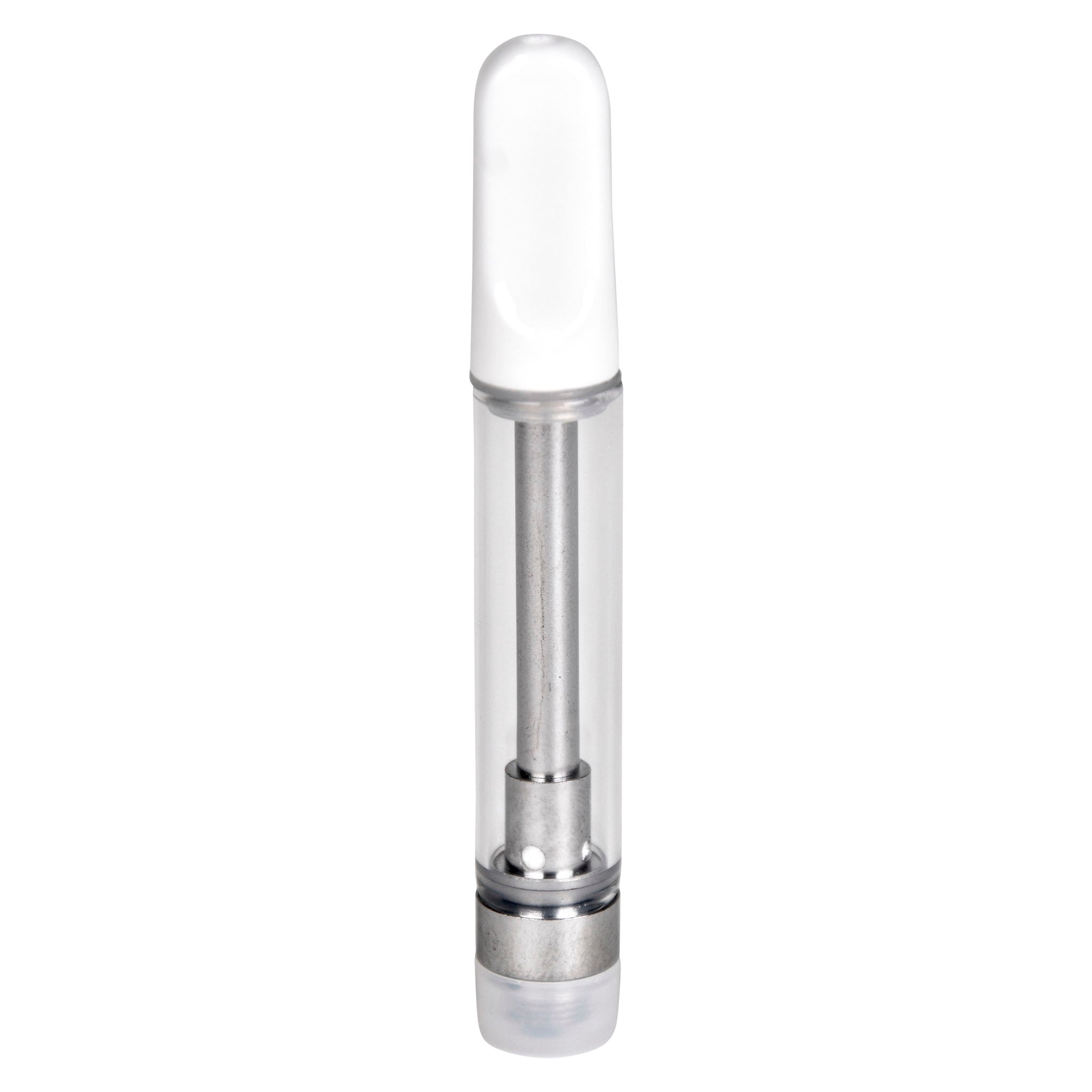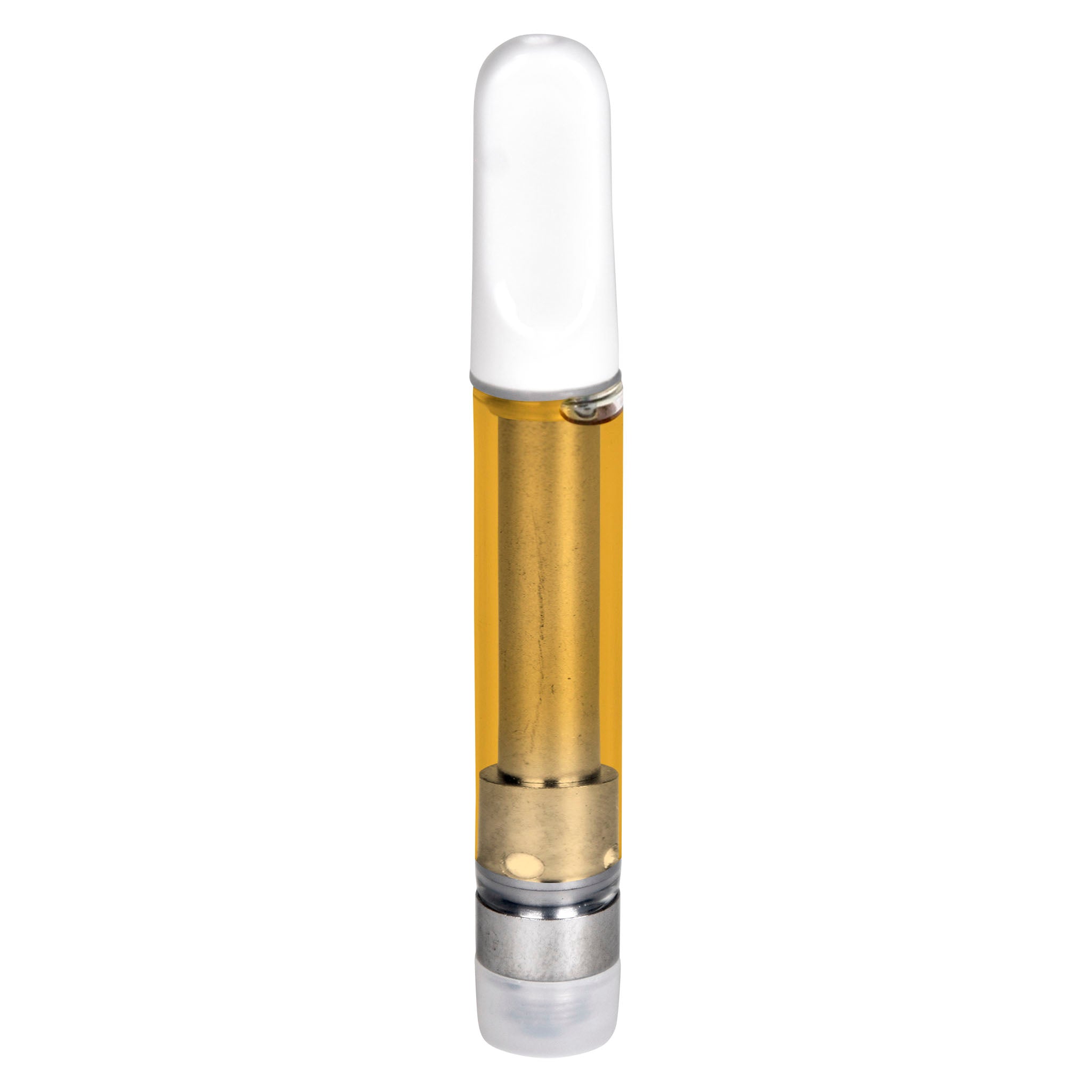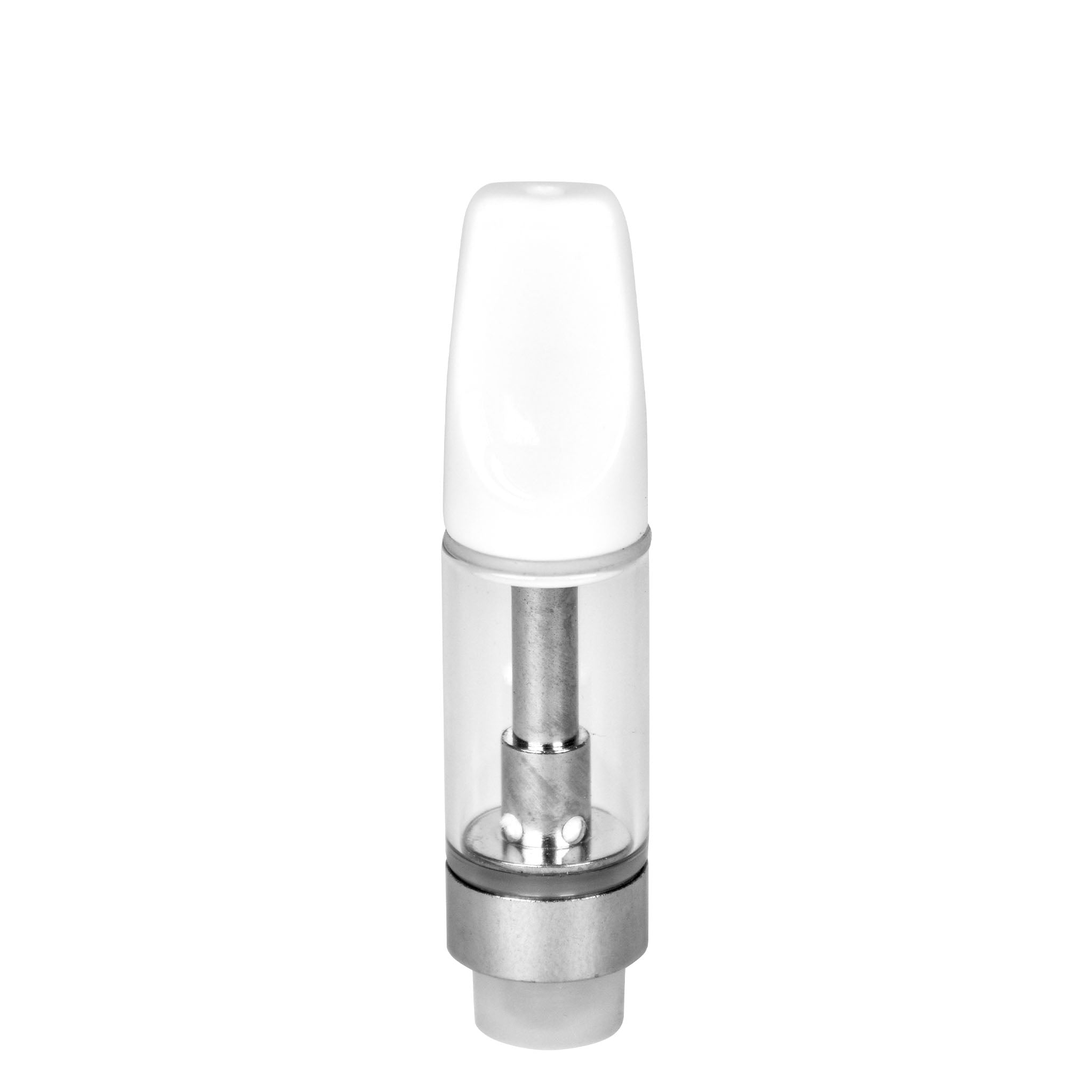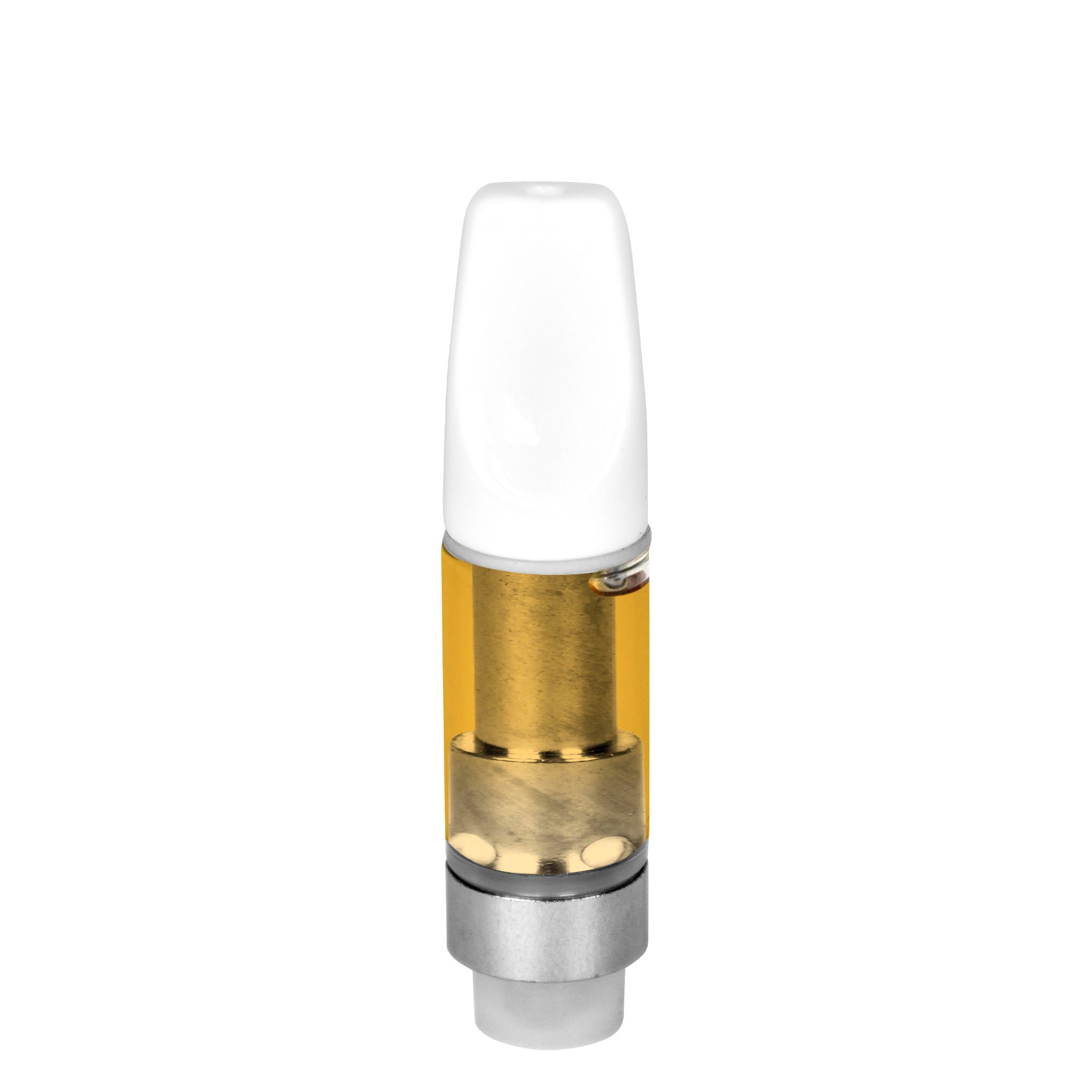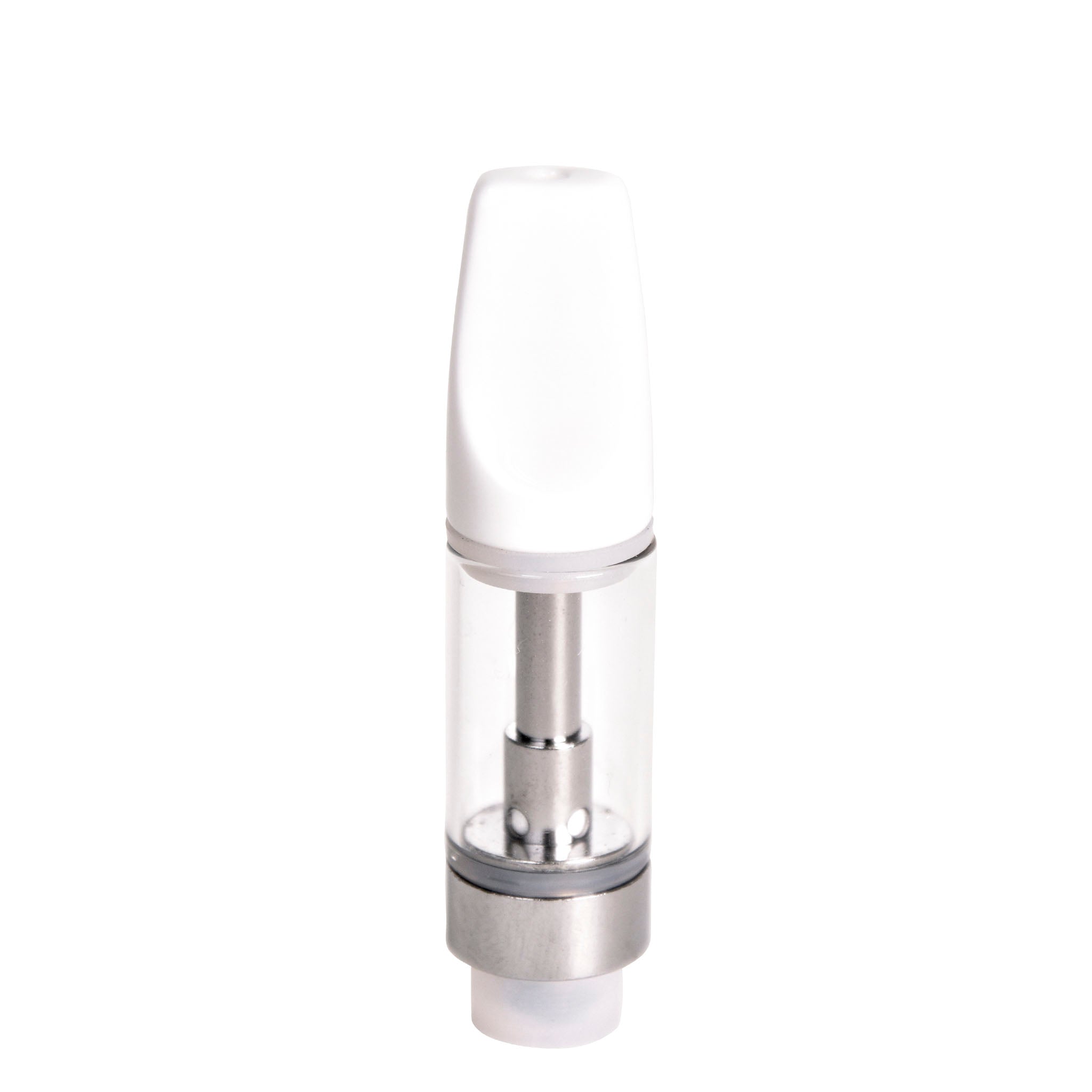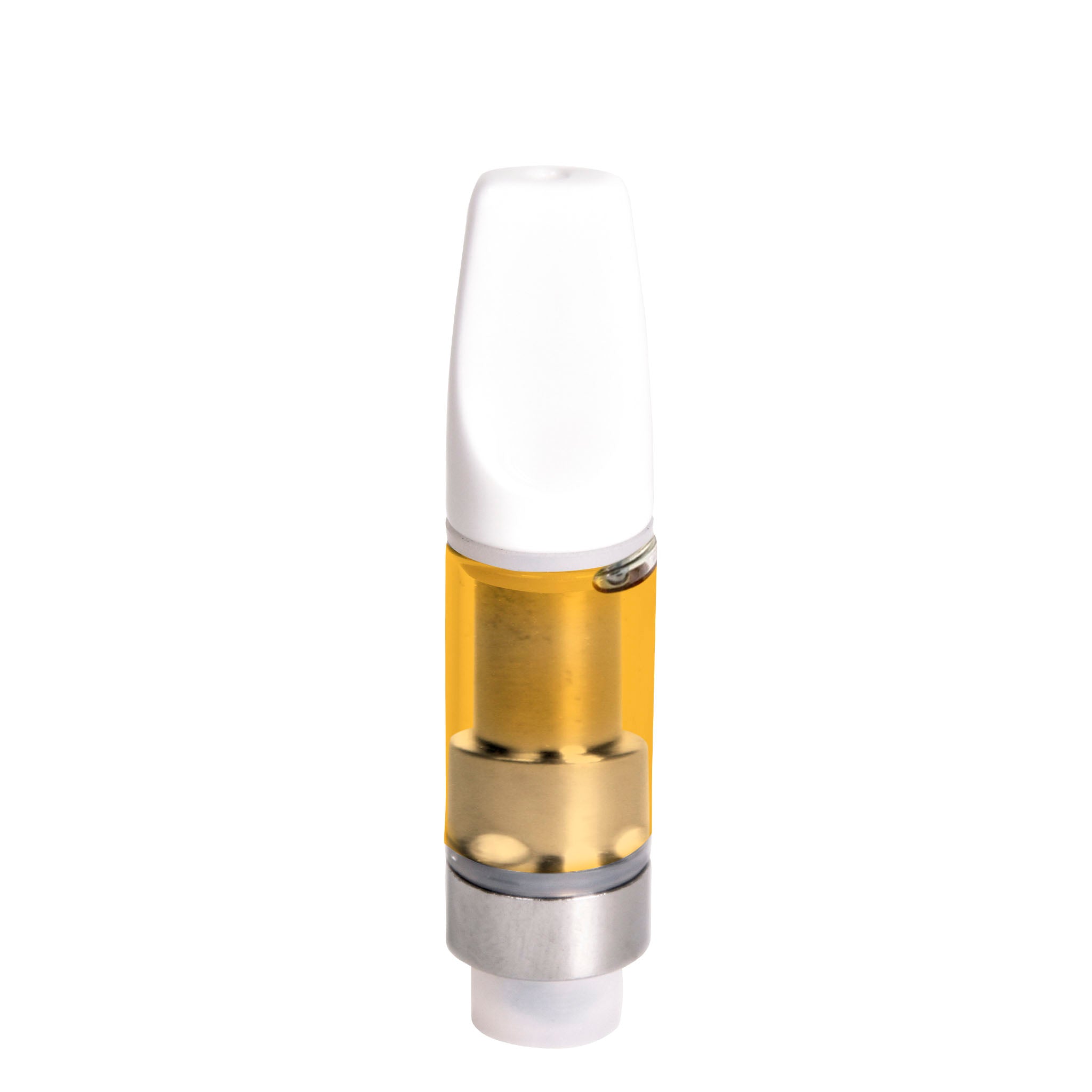
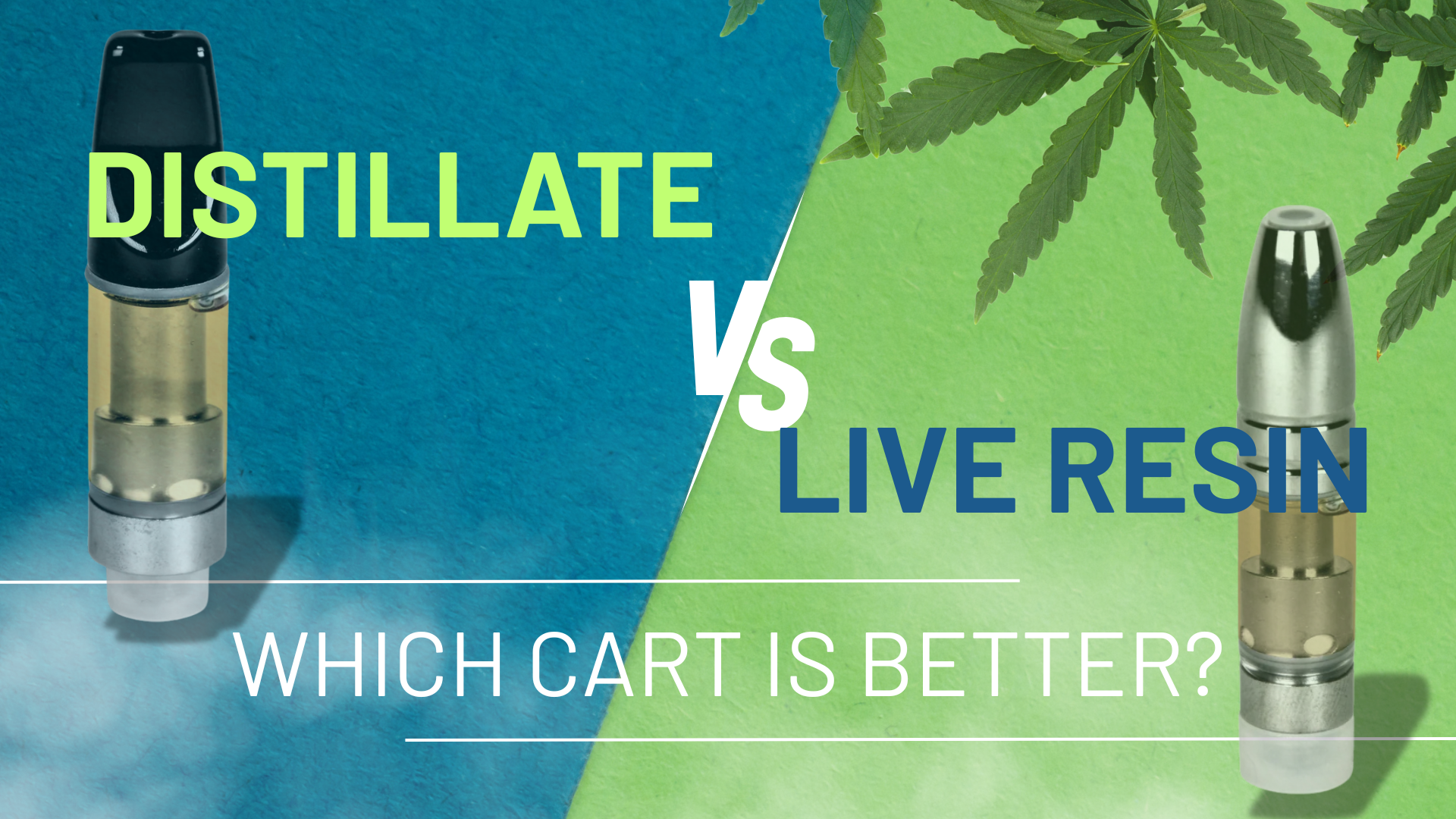
If you’re a new cannabis vape user, these are probably among the very first things you have heard or learned about. Live resin and distillate carts are the most popular cannabis cartridge options, and for good reasons!
These extracts dominate the vape cart market because of their high potency, convenient vaping, and portable consumption.
But in terms of flavor, effects, composition, and price? They’re quite different, and each offers pros and cons of its own.
In this guide, we’ll talk about the key features of both vape carts to help you understand their differences and make an informed decision about choosing the right extract — whether you prioritize flavor, potency, or value

What is a Distillate Cart?
Distillates are highly refined cannabis extracts produced through distillation, where the cannabinoid (usually THC) is isolated from the other plant components.
Because it has a very high THC level, usually at around 80% to 95%+, distillates are known to have high potency and consistency, but with little to no natural terpenes remaining, unless added back.
The rigorous distillation process that dried cannabis buds go through turns them into a clear to light amber in color.
Pros of Distillate Carts
With a high concentration of psychoactive compounds, distillates are extremely potent and can create an intense, fast-acting, and long-lasting experience. This makes it better suited to experienced users with a high tolerance than to beginners.
Distillates also have a consistent formulation due to rigorous manufacturing and precise blending. This means you will not experience a variation in taste, strength, or performance as every unit produced across different productions will deliver the exact same potency, flavor, and vapor quality.
They are also less prone to degradation, thanks to the high level of refinement, compared to other carts that retain more plant compounds. Distillates can last up to 2 years unopened and, when stored properly, 6 to 12 months opened.
Distillates are also typically more affordable than other carts because of lower-priced starting materials, easy storage and transport, greater efficiency in large-scale production, and high market availability.
This type of cart is also widely compatible with most vape hardware.
Cons of Distillate Carts
Because of their almost pure cannabinoid content, distillate carts tend to have a simpler flavor profile than other carts. Having fewer natural plant compounds makes it odorless, flavorless, and neutral in taste, which isn’t really a bad thing, but it definitely doesn't promote an enjoyable experience for users when used as is.
Distillate needs terpenes added back for better taste and aroma. It also lacks the “entourage effect,” or the full-body experience, as both cannabinoid and terpene compounds work together to produce more balanced, potent, and therapeutic effects than either could alone.

What Are Live Resin Carts?
While distillate is made from the extracts of a dried cannabis bud, live resins are extracted from flash-frozen cannabis plants immediately after harvest. Its low-temperature extraction method is designed to preserve more of the natural plant compounds that contribute to its more complex chemical profile.
Live resin carts contain about 60% to 85% of the cannabinoids and about 8% to 15% of their original preserved terpenes.
While it offers a lower THC percentage than distillates, it compensates with a stronger terpene content and the presence of the minor cannabinoids and plant compounds naturally found in the actual plant that contribute to the “entourage effect” experience.
Since terpenes act as a natural thinning agent, live resins usually don’t have added additives to achieve the right consistency. They are also often more viscous than distillate carts.
Pros of Live Resin Carts
Live resins are known for their rich terpene profile. The oil has a higher concentration of a diverse range of flavor and aromatic compounds from the natural plant, which gives a more authentic, full-spectrum experience when vaping.
Their strong aroma and flavor make them more enjoyable. They offer a sensory-rich experience that engages the senses and improves the overall quality of the high.
Because of this, live resin carts are often perceived as a more premium product than distillate carts.
Cons of Live Resin Vape Carts
Live resins undergo a labor-intensive, specialized, and lower-yielding production process that starts with higher-quality raw materials. Added to that is the more premium perception and “full-plant” experience of the extract that makes it more expensive than distillate carts.
The slightly lower THC concentration might also not be enough to scratch the itch of some users, especially the experienced, highly-tolerant ones.
Live resins are also more volatile due to their high natural compound content, leading to a shorter lifespan and faster degradation.
Unopened live resin can last 6 to 12 months when stored in a cool, dark, airtight environment. But its optimal freshness may last only 3 to 4 months before terpenes start to degrade. While live resins do not rot or expire, their flavor and potency will degrade once used past their prime.
Live Resin vs. Distillate: Side-by-Side Comparison Table

Comparison of How Each Extract Is Made
The live resin is extracted from fresh cannabis plants, which are frozen immediately after harvest, while distillates are extracted from dried and cured cannabis flower or trim.
While both use solvents for extraction, live resins use a low-temperature method (often at -40°F to -76°F) to preserve the full, natural terpene and cannabinoid profile of the fresh-frozen plant.
Distillates, on the other hand, use high heat to isolate the cannabinoid and separate the impurities.
Flavor and Aroma Comparison
Distillates are refined cannabinoids, which makes them odorless and taste-neutral. Their flavor and aroma will depend on the reintroduced terpene, whether it be a synthetic, a CDT (Cannabis-derived terpene), or a BDT (Botanical-derived terpene).
Distillates can offer a more personalized experience, as manufacturers can target flavor profiles and effects by adding specific terpenes. It could be candy-like or even taste and smell like the original cannabis strain. Some would say they can also taste too artificial at times.
Live resins, on the other hand, are more true to strain because of their natural cannabis terpene profile. They don’t taste or smell like anything artificial; they taste and smell like the actual weed.
Depending on the dominant strain of the natural terpene in the cannabis plant used, live resins could also be more musky, earthy, and herbal, citrus and pine, and some even have a “dank” or a diesel-like taste.
Our strain-specific terpene blends are crafted by in-house terpologists in two compliant US labs, using botanical-derived ingredients to replicate the aroma and flavor profiles of popular strains. Check out our botanical terpenes here!
Effects and User Experience
Live resin carts are often associated with stronger entourage effects, giving a balanced psychoactive experience because of the more complete combination of compounds (cannabinoids and terpenes) in the extract.
Distillates, on the other hand, offer a more straightforward psychoactive effect, thanks to the stronger THC potency and minimal additives. Some users describe the high from distillate as “empty” or “hollow.” It can take effect almost instantly, but it can also wear off quickly, leaving you feeling like you're crashing.
Live resin, on the other hand, gives a balanced high similar to actually smoking the plant. Check out some actual comments from Redditors below:


Best Voltage and Temperature Settings
Because live resin and distillate have different viscosities and terpene profiles, their optimal voltage settings also differ.
Live resins require lower heat to preserve the flavor and aroma. Somewhere between 2.5V and 3.0V can maximize a live resin cart’s delicate terpenes and prevent flavor degradation.
Distillates have thicker oils that require higher heat for maximum vaporization. A voltage setting between 3.0V and 3.5V can produce strong vapor clouds.
Shelf Life and Storage Considerations
You can prolong the shelf life of all types of cart when you store them upright and in a cool, dry place.
However, between the two most popular options, live resin can be more sensitive to heat and light and may degrade faster over time due to its high terpene content.
Distillates are more shelf-stable due to purification and are less sensitive to temperature changes.
Live resins can only last up to 12 months at best, but 3 to 6 months for maximum potency, while distillates can last up to 2 years.
Knowing this is especially important if you’re a retailer, as storage conditions can affect your product’s quality. Inventory rotation is also important, and choosing proper packaging, especially for your live resin, can help preserve its terpene content.
RELATED: Do Weed Carts Expire?
Cost Comparison
Live resins are often marketed as boutique or craft cannabis, putting them in the premium product category. Because of higher production costs and lower yields, live resins can be more expensive than distillates, which are more common in budget-friendly cartridges.
Distillate vs Live Resin: Which Cart is Better for You?
Distillate carts are better for…
-
Budget-conscious consumers
-
Users seeking high THC potency
-
Standard 510-thread vape cartridges
-
Retailers stocking high-volume products
Live resin carts are better for…
-
Flavor enthusiasts
-
Users who are after a premium vape experience
-
Experienced cannabis consumers
-
Terpene enthusiasts
-
Premium vape cartridge lines
Frequently Asked Questions
Is live resin better for your lungs?
There’s no strong scientific evidence showing that live resin is safer for your lungs than distillate. Both are inhaled cannabis concentrates, and inhaling vapor of any kind can irritate the lungs.
Safety depends more on product quality, additives, and proper temperature use than on the extract type alone.
Which effect lasts longer, live resin or distillate?
Duration can vary by individual, but distillate often delivers a stronger, more concentrated THC effect because it contains higher THC percentages.
Live resin may feel more balanced due to its terpene content, which can influence the overall experience. However, overall duration depends on dosage, tolerance, and metabolism.
How to tell if a cart is live resin or distillate?
Check the product label and packaging—licensed products typically state “live resin” or “distillate.”
Live resin oil often appears darker and more aromatic because terpenes are preserved, while distillate is usually lighter and clearer, or golden. Lab results or the Certificate of Analysis can also confirm the extract type.
Conclusion
Deciding between distillate and live resin carts depends on your preferences, budget, and desired effects. Both cartridges offer unique benefits and have their own pros and cons, and the best way to know for sure is to try each and see for yourself!
Whether you prefer the terpene-rich flavor of live resin or the high potency of distillate, choosing quality vape hardware is essential.
Browse reliable THC vape cartridges, batteries, and wholesale vape components at VapePen Wholesale — where trusted sourcing and competitive pricing help you stock the best products for your customers.
Check out our other recommended articles below!
We Value Your Feedback!
Did this guide help you refill your empty cart? Please share your experiences and thoughts below, or spread the knowledge by sharing it on your social channels!
Explore affordable, quality-tested cartridges at VapePensWholesale.com today!